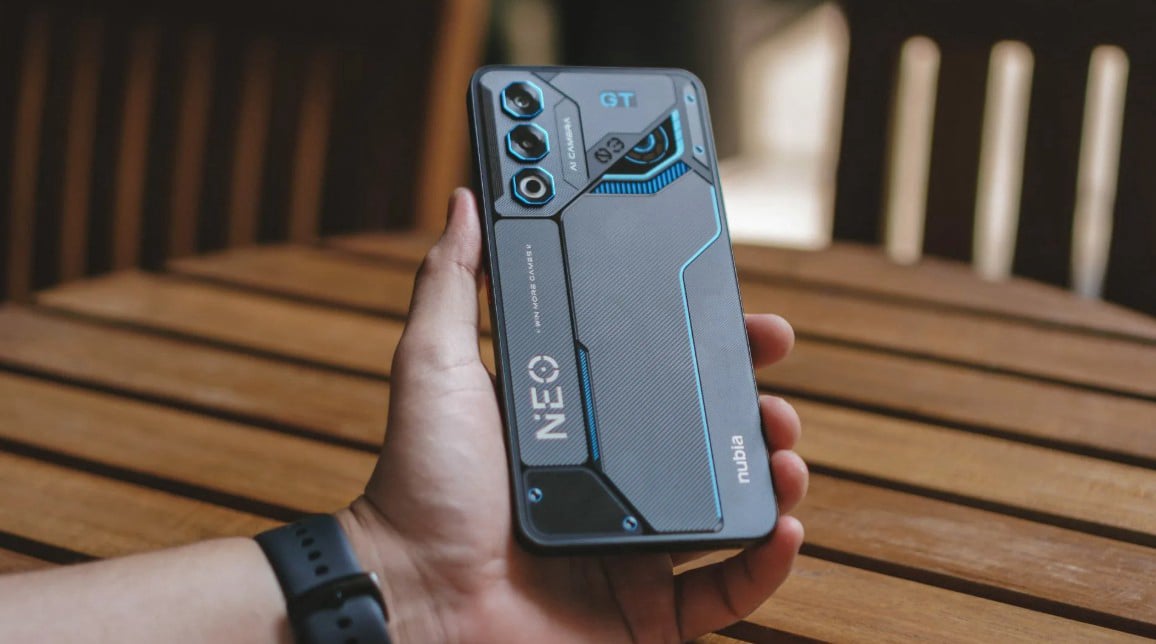
Cooling Systems Compared: What Keeps Your Best Gaming Smartphone from Throttling?
Raw processing power is meaningless if a device cannot manage the intense heat it generates. Preventing thermal throttling is the single most important engineering challenge for any gaming smartphone 2025. This deep dive compares the primary cooling technologies deployed to keep performance high, explaining how they work and, crucially, how they perform under the relentless pressure of our performance tests.
The foundation of most systems is passive cooling, primarily using graphite sheets and vapor chambers. Graphite sheets act as highly efficient heat spreaders, drawing thermal energy away from the SoC across a larger area of the device's interior. Vapor Chambers (VC) take this further: a sealed chamber containing a liquid that vaporizes at the hot point, carries heat to cooler areas, condenses, and returns via capillary action. We test the efficacy of different VC sizes and layouts in dissipating heat during sustained loads.
A significant evolution is the rise of phase-change materials. These advanced compounds, often integrated into thermal interface materials or as part of the internal structure, absorb a massive amount of heat as they change from solid to a gel-like or liquid state. This acts as a "thermal buffer," delaying the point at which the chip reaches critical temperatures and begins to throttle. Our tests measure this delay, showing which devices can maintain peak performance for longer sessions.
The most aggressive solution is active cooling, which employs tiny internal fans. These systems actively move air across heatsinks, drastically increasing heat dissipation. We evaluate their effectiveness not just in cooling, but also in terms of acoustics (fan noise) and their impact on device ingress protection and dust resistance. An active cooler can define a niche best gaming smartphone for hardcore enthusiasts who prioritize sustained performance above all else.
External accessories, like clip-on fan coolers, represent another layer. We test popular models to quantify their additional cooling benefit, measuring the extra minutes of unthrottled gameplay they can provide. However, we also assess their practicality—their effect on weight, balance, and ergonomics during long gaming sessions.
Our comparative analysis presents a clear picture of the cooling landscape. There is no single "best" solution; each involves trade-offs between thickness, weight, cost, and noise. By understanding these technologies and seeing their results in our controlled performance tests, you can make an informed choice. Whether you prefer the elegant efficiency of a massive vapor chamber or the brute-force cooling of an active fan system, knowing what keeps your gaming smartphone 2025 running cool is key to unlocking its full potential.